 carlahallbakes.com – News Insights & Breaking Reports
 carlahallbakes.com – News Insights & Breaking Reports
We meet and talk to different people every day– at work, outside, or at home. While words carry part of the message, a lot of what someone really feels is shown through their actions and behaviour. Things like body language, tone of voice, and small gestures often say much more than the actual words.
Noticing these little signs doesn’t need any special training. It just takes being present, observant, and aware of what people may be expressing without saying it directly.
Here are seven simple cues that can help you understand someone better– beyond what they say out loud.

How a person sits or stands can reveal how they feel. A straight and relaxed posture usually signals confidence or comfort. But if someone is hunched, has crossed arms, or turns slightly away, it may mean they feel uneasy or closed off.
Eye contact is a strong clue. Comfortable eye contact usually shows interest and engagement. If someone keeps looking away, blinking often, or avoiding your gaze, it may point to nervousness, distraction, or discomfort. Context matters though, so don’t jump to conclusions too quickly.
Facial expressions often give away real feelings. A genuine smile reaches the eyes, while a forced one doesn’t. Small reactions– like raised eyebrows or a tight jaw– can reveal surprise, stress, or tension, even when someone tries to hide it.
Relaxed people usually have open, steady hand gestures. Fidgeting, clenching fists, or constantly touching the face can be signs of stress or nervousness. These small movements often show what words don’t.
The way something is said often matters more than the words. A calm and steady tone suggests clarity and control, while a rushed or shaky tone may reflect stress or urgency. Sudden changes in pitch or volume can point to frustration or pressure.
People naturally adjust how close or far they stand depending on how they feel. Moving closer usually means comfort, while stepping back or keeping more distance can signal discomfort. These shifts are small but telling.
Sometimes, what people say doesn’t match what they show. For example, someone might say, “I’m fine,” but avoid eye contact or fidget nervously. This mismatch doesn’t always mean dishonesty, but it often hints that something else is going on.
Newer articles
Older articles

 Ederson Exits Man City for Fenerbahce, Paving the Way for Donnarumma's Etihad Arrival
 Craig McMillan takes up full-time coaching role with New Zealand Women
 Parsley Tea: Unlocking 7 Key Health Benefits, From Immunity to Radiant Skin
 Stoinis Returns to Australia Squad for New Zealand T20s, Eyes T20 World Cup Spot
 Mitchell Starc Steps Away from T20Is to Extend Test and ODI Career
 India and Nigeria Vie to Host 2030 Commonwealth Games Centenary Edition
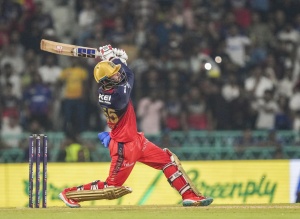 Jitesh Sharma on Virat Kohli: Respect and IPL Dream Manifested at RCB
 Samsung Galaxy A35 5G and A55 5G: Pricing, Specs, and Availability Confirmed
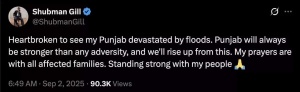 Shubman Gill Expresses Grief Over Punjab Floods, Pledges Support to Affected Communities
2025 US Open Attracts A-List Crowd: Wintour, Malek, and More Spotted at the Tournament
Shubman Gill Expresses Grief Over Punjab Floods, Pledges Support to Affected Communities
2025 US Open Attracts A-List Crowd: Wintour, Malek, and More Spotted at the Tournament